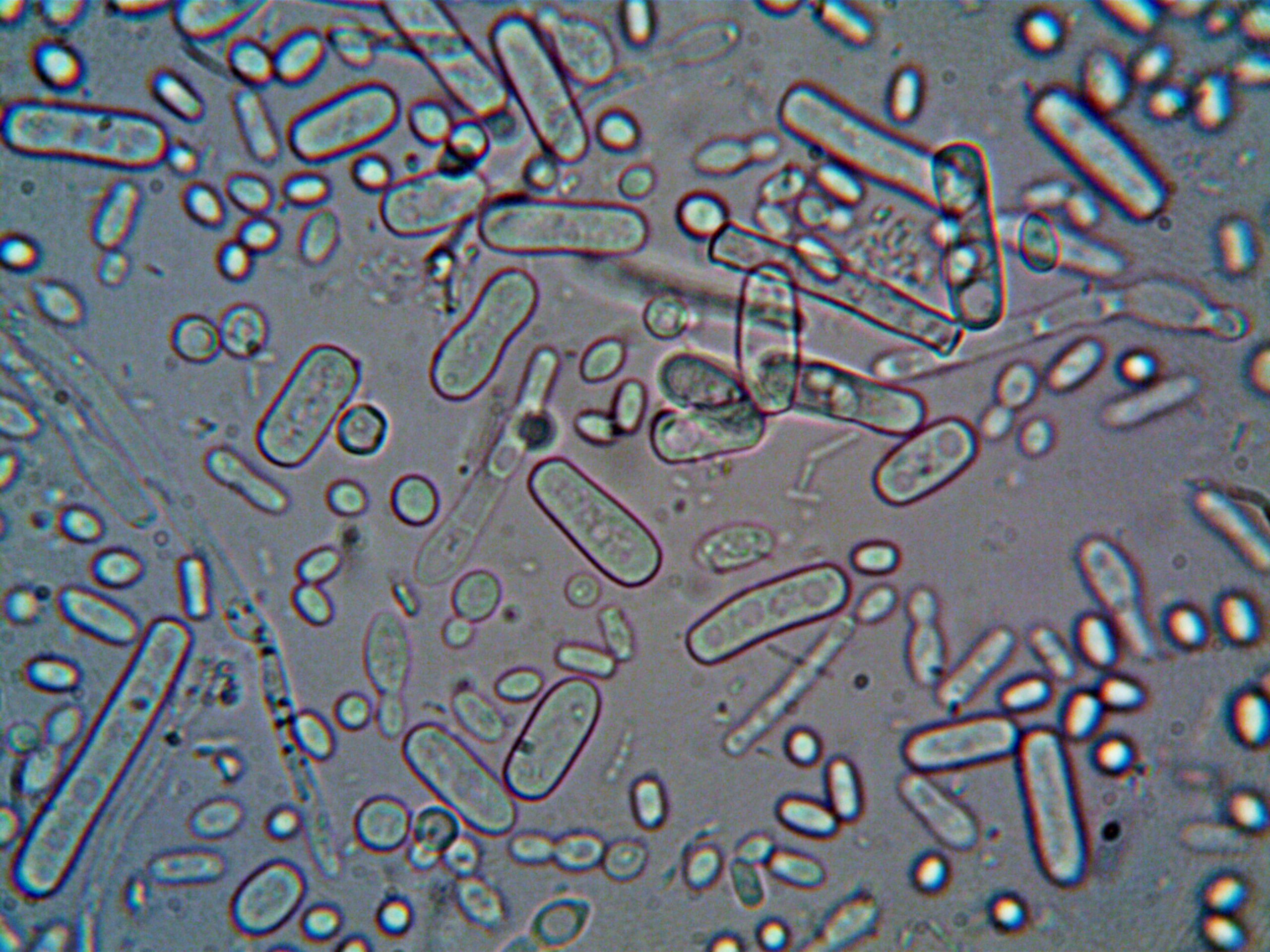

The human gut contains about 100 TRILLION bacteria, outnumbering human cells 2.5 to 1, and produces chemical signals that influence immunity, metabolism and brain function.
The human microbiome—a vast ecosystem of trillions of microorganisms residing primarily in the gut—plays a crucial role in maintaining health, modulating immunity, and potentially influencing cancer risk and survival. Comprising over 100 trillion microbes and weighing approximately 1.5–2 kg, the gut microbiota collectively encode more genes than the human genome, forming what some scientists refer to as a “second genome.” Recent research has shown that microbial diversity and composition can influence inflammation, immune surveillance, DNA repair, and even drug metabolism, all of which are critical in cancer development and treatment response. For example, imbalances in gut microbiota (dysbiosis) have been linked to increased risks of colorectal, pancreatic, and even breast cancer. Moreover, certain bacteria can either promote or suppress tumour growth—Fusobacterium nucleatum has been associated with worse outcomes in colorectal cancer, while Akkermansia muciniphila has been linked to better responses to immunotherapy. Clinical studies now suggest that the gut microbiome may predict survival and treatment efficacy, particularly in checkpoint inhibitor therapies, with efforts underway to modulate the microbiome via probiotics, dietary interventions, or fecal microbiota transplantation to enhance cancer outcomes.
See this link: https://scitechdaily.com/ai-decodes-the-secret-language-of-your-gut-bacteria/